Production
One Shoot, Ninety Assets
Derivative content is not what is left over after the real film is finished. It is the reason the shoot is scheduled the way it is.

"We will grab some social content while we are there" is the single most expensive sentence in a production meeting. It sounds like efficiency. It is actually a decision to do the work twice, badly, at the end of a long day when the crew is tired and the light has gone.
The alternative is not more shoot days. It is deciding on day one that the fleet of assets is a deliverable with the same standing as the hero film, and then designing the week around producing both at once.
What ninety actually looks like
The number sounds like a marketing claim until you break it down. A three-day shoot built this way typically yields:
- One hero film, finished to broadcast standard.
- Cutdowns at the lengths the media plan actually buys.
- Vertical cuts framed on set, not cropped in post.
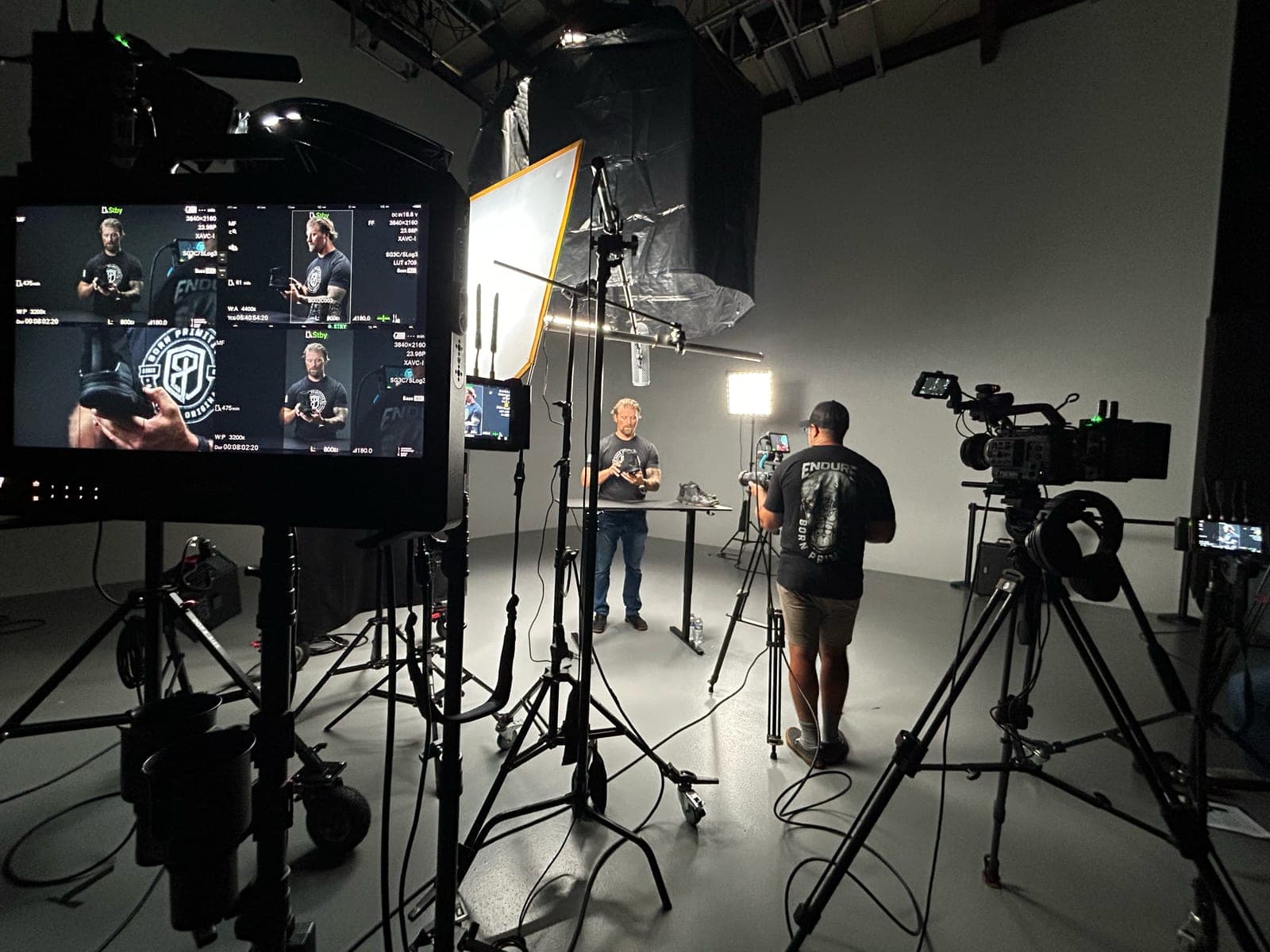
- Interview and behind-the-scenes coverage captured alongside the main unit.
- Stills pulled from a dedicated photographer, not frame-grabs.
None of that is filler. Each piece answers a question a buyer actually asks at a different point, and each one was framed for the placement it ends up in.
The part that has to happen on set
You cannot manufacture a vertical hero in the edit. A sixteen-by-nine frame cropped to nine-by-sixteen throws away most of the picture, and what survives is usually the part nobody composed. Shooting for both means blocking action so it reads in a tall frame, leaving headroom you would not otherwise leave, and sometimes running a second body purely for the vertical pass.
The :30 that runs on broadcast and the six-second vertical that runs on Reels should be the same production, not two budgets.
That discipline is the whole difference between a fleet of assets and a folder of offcuts.
Where teams get it wrong
The common mistake is treating volume as the goal. Ninety weak assets is worse than nine good ones, because the weak ones still cost review cycles and still carry the brand. The target is not a number, it is coverage: every channel that matters has something made for it rather than adapted to it.
Get that right and the film stops being a one-week campaign. It becomes the thing a year of marketing is derived from.
This is the thinking behind The Flagship Campaign.