Customer Stories
People Trust People
The most persuasive film about your product is usually the one where nobody from your company appears in it.
A brand can say its product is dependable and a buyer will discount it, because of course the brand says that. A customer says the same sentence and it lands, because the customer has nothing to gain by saying it. That gap is the entire reason customer stories work, and it is also the reason most of them do not.
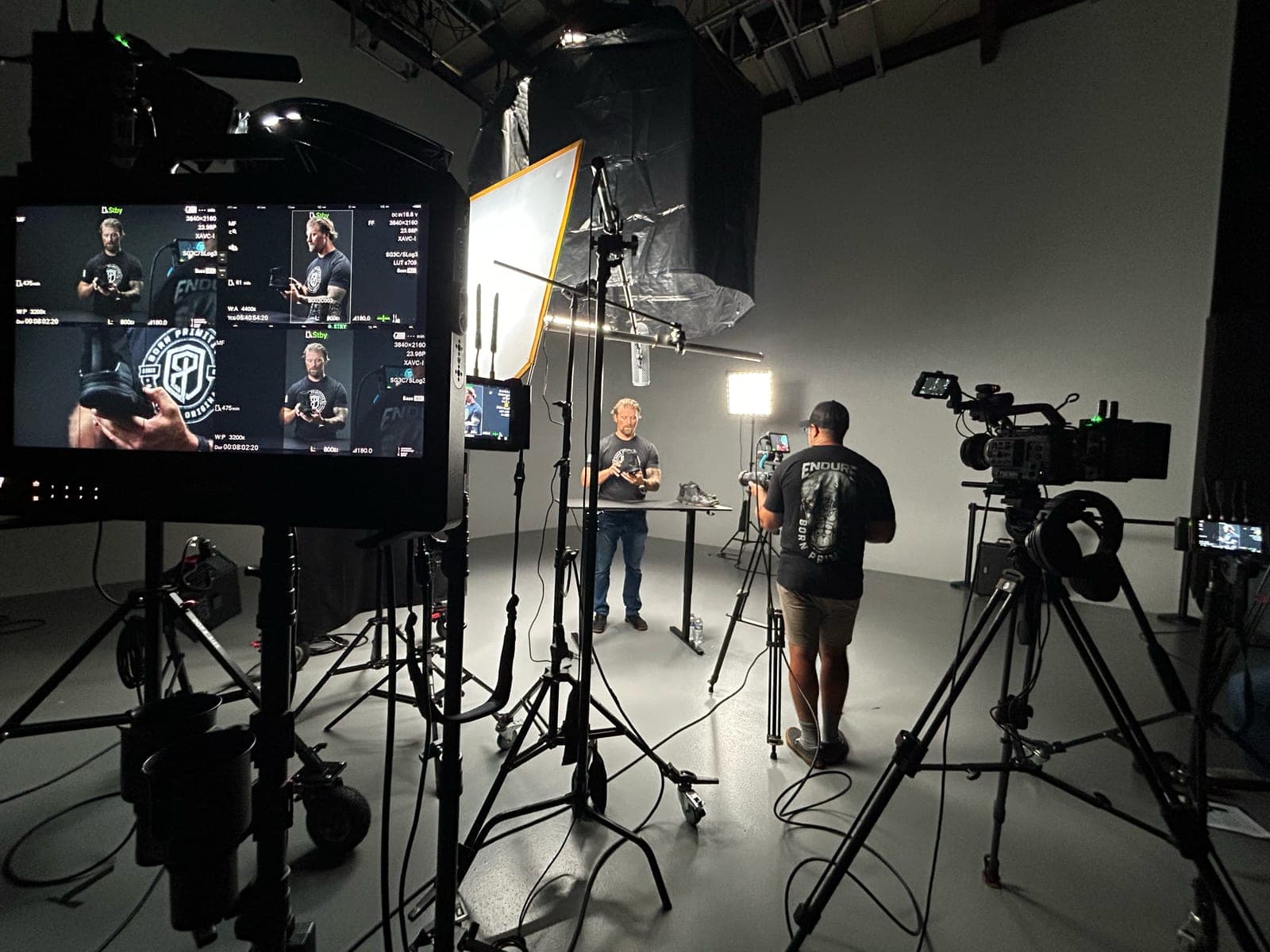
The failure is predictable. A team books a testimonial shoot, sits a happy client in front of a camera, and asks them to describe the product. What comes back sounds like the brochure read aloud by someone less practised at reading it. The credibility that was supposed to be the point has been spent turning a person into a spokesperson.
The moment your customer starts using your marketing language, you have lost the only advantage a customer had.
Find the story before you book the crew
The best of these do not begin with a shoot date. They begin with someone noticing that a particular customer has a genuinely interesting life, and that the product happens to sit inside it.
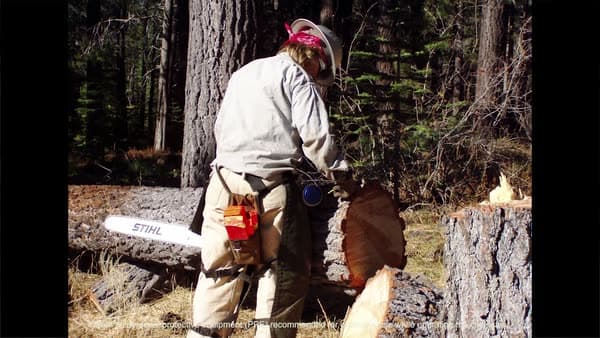
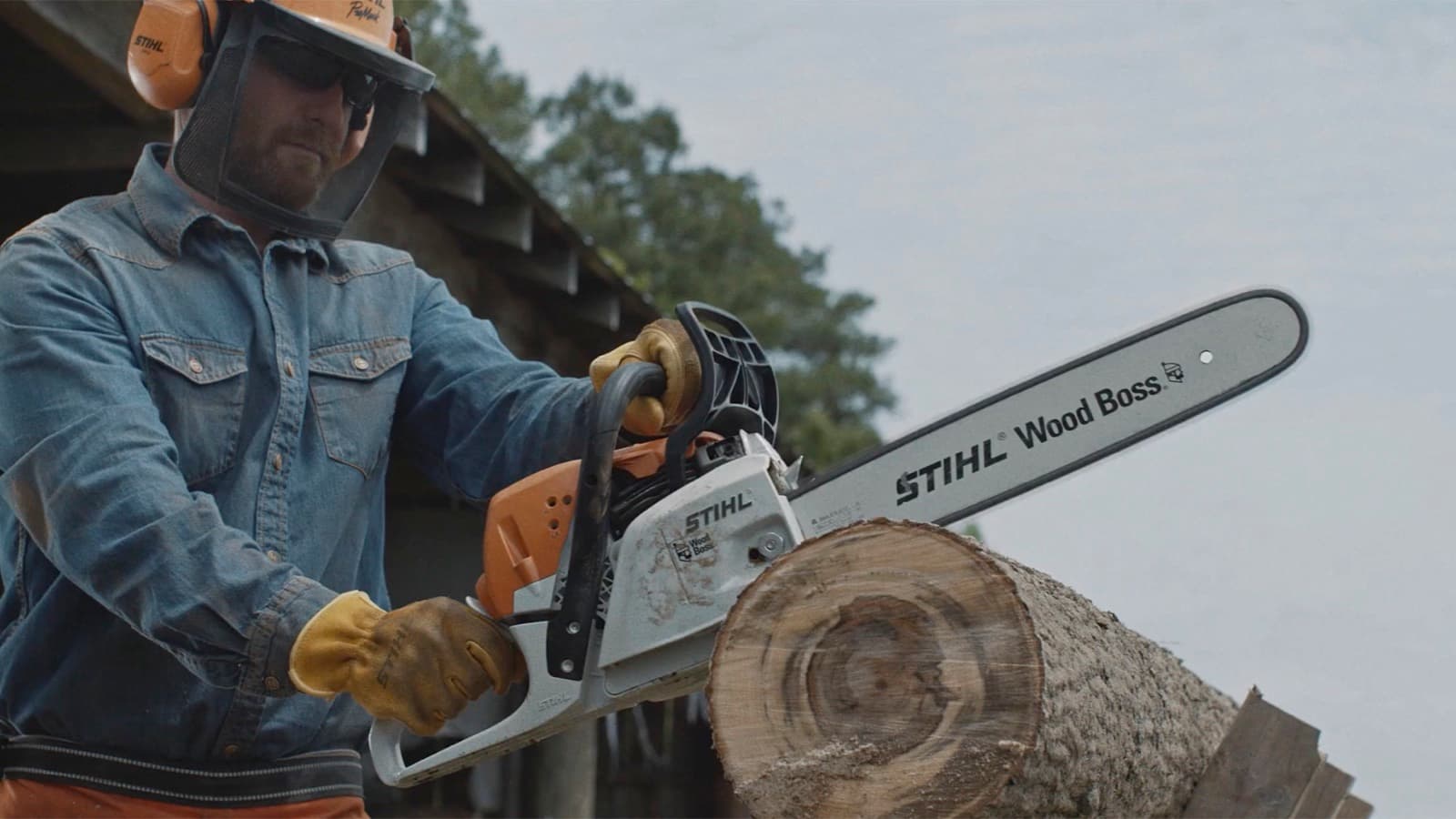
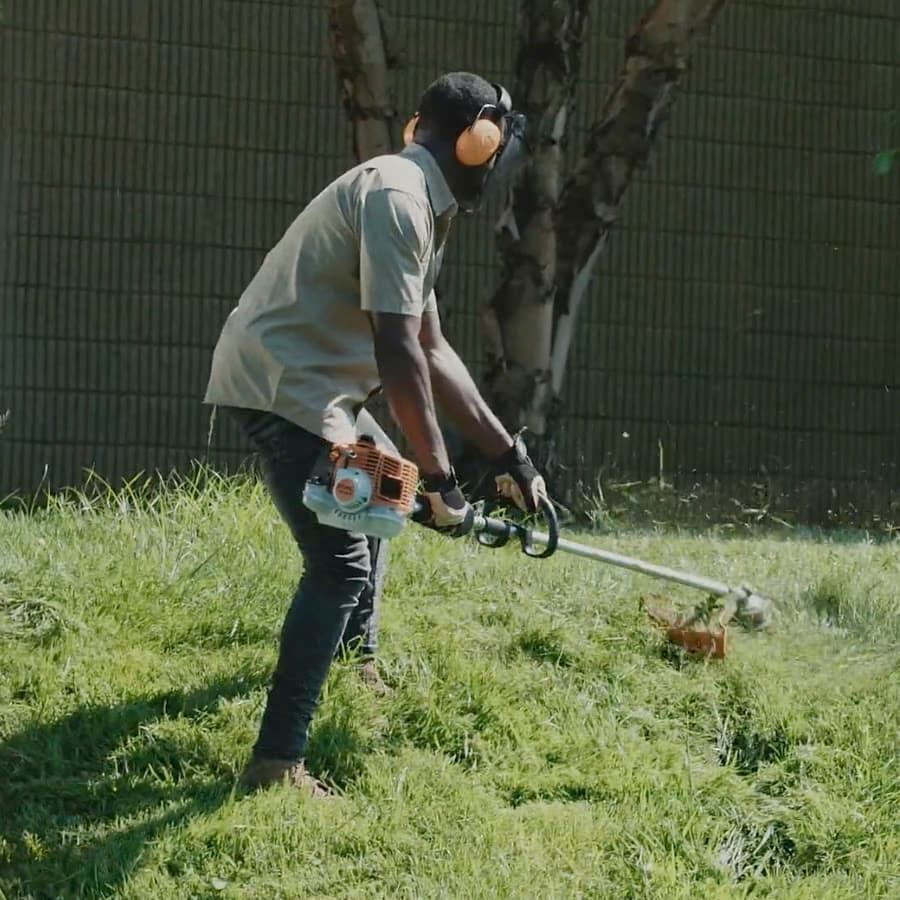
We met Kari on an unrelated shoot in Reno. She mentioned, more or less in passing, the saws she carried as a Hotshot firefighter. Nobody had scoped a film about her. We went back and made one, because the story was already there and it was better than anything a brief would have produced.
What to ask, and what to leave out
The interview is the whole production. Everything else is craft in service of it. A few rules hold up across every one of these we have shot:
- Ask about the work, not about the product. The product will come up on its own, and it will sound true when it does.
- Let the subject be good at their job on camera. Competence is more persuasive than gratitude.
- Do not script an endorsement. If the story needs one bolted on, the story was not strong enough.
- Cut the sentence where they name your company if a better sentence exists two lines later.
That last one is counterintuitive and it is usually right. The film is not evidence that someone likes you. It is evidence that serious people do serious work, and that you are somewhere in the frame while they do it.
When the subject is not a customer at all
The same discipline carries into mission work, where the person on camera is a surgeon or a patient rather than a buyer. Operation Smile trains surgeons who change children's lives. The film about their training facility had to explain how the place works without letting the mechanics eclipse the reason it exists, which is the customer story problem in a harder form: the human being has to stay larger than the thing being explained.
Get that balance right and you have made something a sales team will actually use. Get it wrong and you have made a very expensive reference call.
This is the thinking behind The Brand Anthem.